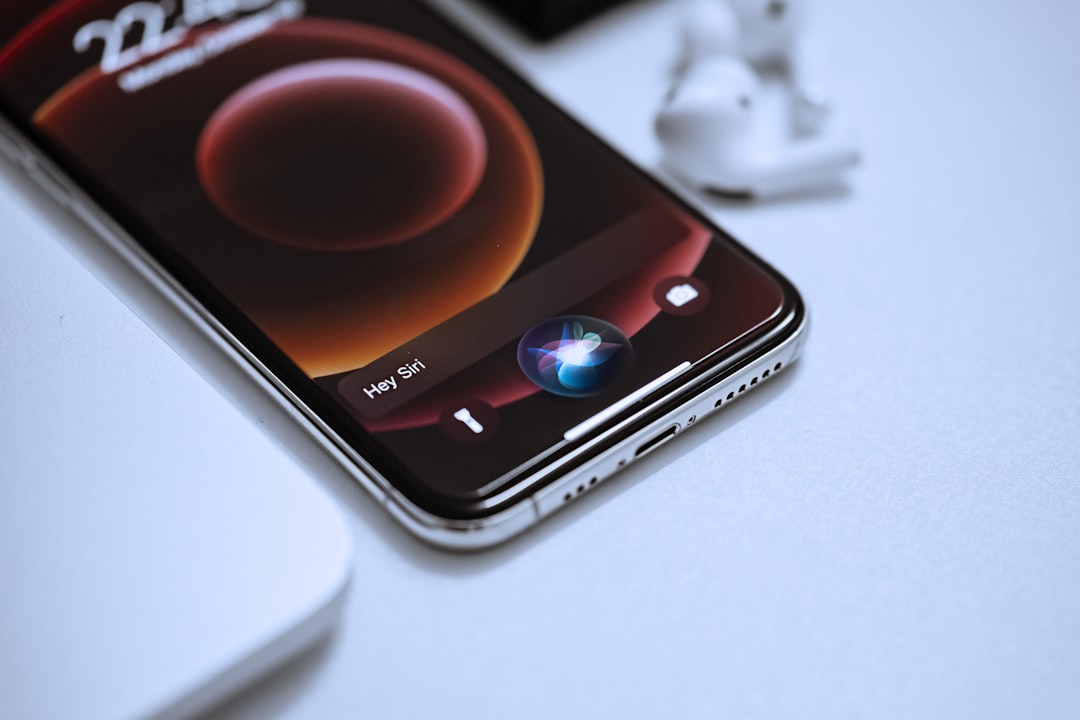
Smishing, spam via SMS, is a prevalent issue in Wisconsin, with 70% of Americans receiving such texts annually. Scammers impersonate businesses, demanding sensitive info. Wisconsin offers robust protections through its Do Not Call law, enforced by the WI-DATC. Consumers should verify message authenticity, block unknown numbers, and report suspicious texts to WI-DATC. Legal redress is available from Do Not Call law firms for privacy invasions. By combining technical solutions and awareness, individuals can significantly reduce their risk of falling victim to smishing scams, leveraging Wisconsin's comprehensive approach to consumer protection.
With the rise of mobile communication, consumers face increasingly sophisticated scams, including smishing—the practice of sending fraudulent text messages. Wisconsin residents are not immune to these threats, making consumer protection against smishing texts a pressing issue. This article delves into the current landscape of smishing in Wisconsin, highlighting the challenges posed by this deceptive practice and exploring effective countermeasures. By understanding the Do Not Call laws and leveraging available resources, consumers can better protect themselves from falling victim to text-based scams, ensuring a safer digital environment.
Understanding Smishing in Wisconsin: Unmasking Text Scams
In Wisconsin, as in many states across the nation, consumer protection against smishing (spam over SMS) has become an increasingly important area of focus. Smishing refers to the act of sending unsolicited text messages that contain malicious links or requests for personal information, often impersonating legitimate businesses or organizations. With the widespread use of mobile devices and text messaging, consumers in Wisconsin are particularly vulnerable to these deceptive practices. According to a recent report by the Federal Trade Commission (FTC), nearly 70% of Americans reported receiving at least one smishing text message in the past year, highlighting the pervasiveness of this issue.
Understanding smishing is the first step in protecting oneself from such scams. In Wisconsin, consumers should be wary of texts that demand immediate action, offer too-good-to-be-true deals, or request sensitive information like PINs, passwords, or account details. For instance, a common smishing tactic involves texts claiming to be from your bank, alerting you of suspicious activity on your account and asking for verification through a clickable link. However, these messages are often fakes designed to steal personal data. The Wisconsin Department of Agriculture, Trade, and Consumer Protection (WI-DATC) has received numerous complaints related to smishing, with scammers targeting individuals across various demographics.
To counter these scams, consumers in Wisconsin are advised to verify the authenticity of text messages from unknown senders by contacting the organization directly through their official phone number or website. Additionally, enabling text message filtering and blocking on your mobile device can help reduce the risk of receiving smishing attempts. Reporting suspicious texts to WI-DATC is also crucial, as these reports aid in identifying emerging scams and protect not just individuals but the entire Wisconsin consumer community. By staying informed and adopting proactive measures, residents can significantly minimize their chances of falling victim to these deceptive smishing campaigns.
Your Rights: Wisconsin Laws Against Unwanted Texts

In Wisconsin, consumers have certain rights when it comes to unwanted text messages, commonly known as smishing. The state has implemented laws to protect individuals from intrusive and deceptive marketing practices, including unauthorized text message campaigns. One key piece of legislation is the Do Not Call law, which has been extended to cover not only telephone calls but also texts. This means that businesses and telemarketers are prohibited from sending unsolicited text messages to Wisconsin residents who have registered their numbers on the state’s Do Not Call list.
The Wisconsin Department of Agriculture, Trade and Consumer Protection (DATCP) plays a pivotal role in enforcing these laws. If a consumer receives an unwanted text message, they can file a complaint with the DATCP. The agency investigates these complaints and takes appropriate action against violators, which may include fines and legal proceedings. It’s important for residents to be aware of their rights and take proactive steps to protect themselves. One effective measure is to register for the Do Not Call list by visiting the DATCP website or calling their dedicated hotline. This simple step can significantly reduce the volume of unsolicited texts a consumer receives.
Moreover, Wisconsin law allows individuals to seek legal redress if they feel their privacy has been invaded due to smishing. Consumers can take action against companies that send nuisance text messages by consulting with an attorney specializing in consumer protection laws. These legal professionals can guide victims through the process of seeking compensation for any resulting damages or harassment. By combining enforcement efforts from regulatory bodies and individual legal actions, Wisconsin aims to create a robust framework for protecting its residents from smishing and similar forms of unwanted communication.
Protecting Yourself: Strategies to Stop Smishing Scams
Smishing, a term for scam texts, has become an increasingly prevalent issue in Wisconsin, with consumers falling victim to deceptive messages promising prizes, threatening legal action, or offering too-good-to-be-true deals. To counter these malicious practices, individuals must adopt proactive strategies to protect themselves from smishing scams. One of the first lines of defense is being vigilant and cautious when receiving unsolicited texts, especially those requesting personal or financial information.
Wisconsin consumers should remember that legitimate businesses and organizations, including law firms, do not typically initiate contact via text message for such matters. If you receive a text claiming to be from a law firm demanding immediate action or threatening consequences, it is advisable to verify the sender’s identity independently. Contacting the company directly through official channels—such as their website or customer service number listed on official documents—is crucial before responding. For instance, if a consumer receives a text saying they’ve won a legal fee waiver from a law firm, they should call the firm directly to confirm the legitimacy of the offer.
Another effective strategy is to block unknown numbers and adjust text message settings. Most mobile carriers offer options to block messages from unfamiliar senders or even specific phone numbers. Additionally, enabling message filtering features can help identify potential scams before they reach your inbox. By combining these technical solutions with consumer awareness and responsible communication practices, Wisconsin residents can significantly reduce their risk of becoming victims of smishing scams.