
Smishing, deceptive text messages from scammers posing as banks or companies, is a growing problem in Wisconsin. State laws protect consumers through strict regulations on unsolicited SMS ads. A lawyer specializing in spam texts can guide victims on blocking, suing, and seeking compensation for losses. Consumers should watch out for unfamiliar numbers, bulk messaging, and urgent requests, and consult legal experts for protection against smishing and identity theft.
In today's digital age, smishing—the practice of using text messages to scam consumers—has become a prevalent issue. Wisconsin residents are protected by state laws designed to combat unwanted and fraudulent text messages, known as spam. This comprehensive guide explores the rise of smishing in Wisconsin, outlining consumer rights, legal protections, and practical steps for identifying and reporting spam texts. If you've been a victim or suspect smishing activity, understanding your options is crucial, especially when considering hiring a lawyer specializing in spam texts and consumer protection laws in Wisconsin.
Understanding Smishing in Wisconsin: Unwanted Text Scams Explained

In Wisconsin, smishing refers to a growing and insidious form of consumer fraud that involves unsolicited text messages from scammers aiming to trick recipients into providing personal information or making financial transactions. These deceptive texts, often masquerading as legitimate communications from banks, government agencies, or trusted companies, are designed to take advantage of the immediacy and prevalence of mobile messaging. Smishing scams can range from phishing attempts seeking login credentials to threats of legal action or even promises of reward, all with the intent to steal sensitive data or extort money.
Wisconsin laws protect consumers against such unwanted text messages, empowering them to take legal action against perpetrators. A lawyer specializing in spam texts in Wisconsin can guide victims through this process, helping them understand their rights and seek restitution for any financial losses or privacy invasions resulting from smishing attempts. These legal professionals are crucial in navigating the complexities of consumer protection legislation and ensuring that offenders are held accountable.
Wisconsin Law: Protecting Consumers from Spam Texts

In Wisconsin, consumers have protections against spam text messages thanks to state laws designed to curb deceptive and unwanted communication. The Wisconsin Law specifically addresses SMS spam, also known as smishing, empowering residents with several rights and remedies. Under this legislation, businesses are prohibited from sending mass text messages that promote or advertise goods or services without prior consent.
If you've received spam texts, a lawyer for spam texts in Wisconsin can help you understand your legal options. Individuals who suffer damages due to unsolicited text messages may be entitled to compensation. By holding offenders accountable, these laws aim to create a safer and more secure environment for Wisconsin residents, ensuring that their mobile devices remain free from intrusive and deceptive marketing tactics.
Your Rights: Stopping Smishing and Taking Legal Action

If you've received unsolicited text messages from unknown numbers promoting products or services, you're experiencing smishing—a form of cyber-attacks targeting consumers. In Wisconsin, consumer protection laws offer a degree of safeguards against such practices. According to state law, businesses are prohibited from sending unwanted text messages for marketing purposes without prior explicit consent. This means you have the right to stop smishing and take legal action if necessary.
If you've been a victim of this deceptive practice, consult with a lawyer specializing in spam texts or consumer protection laws in Wisconsin. They can guide you on blocking future messages, suing the perpetrators, and seeking compensation for any financial losses or emotional distress caused by these unwanted text campaigns. Remember, your rights as a consumer are important, and taking proactive steps can help protect others from becoming victims of similar smishing scams.
How to Identify and Report Spam Text Messages
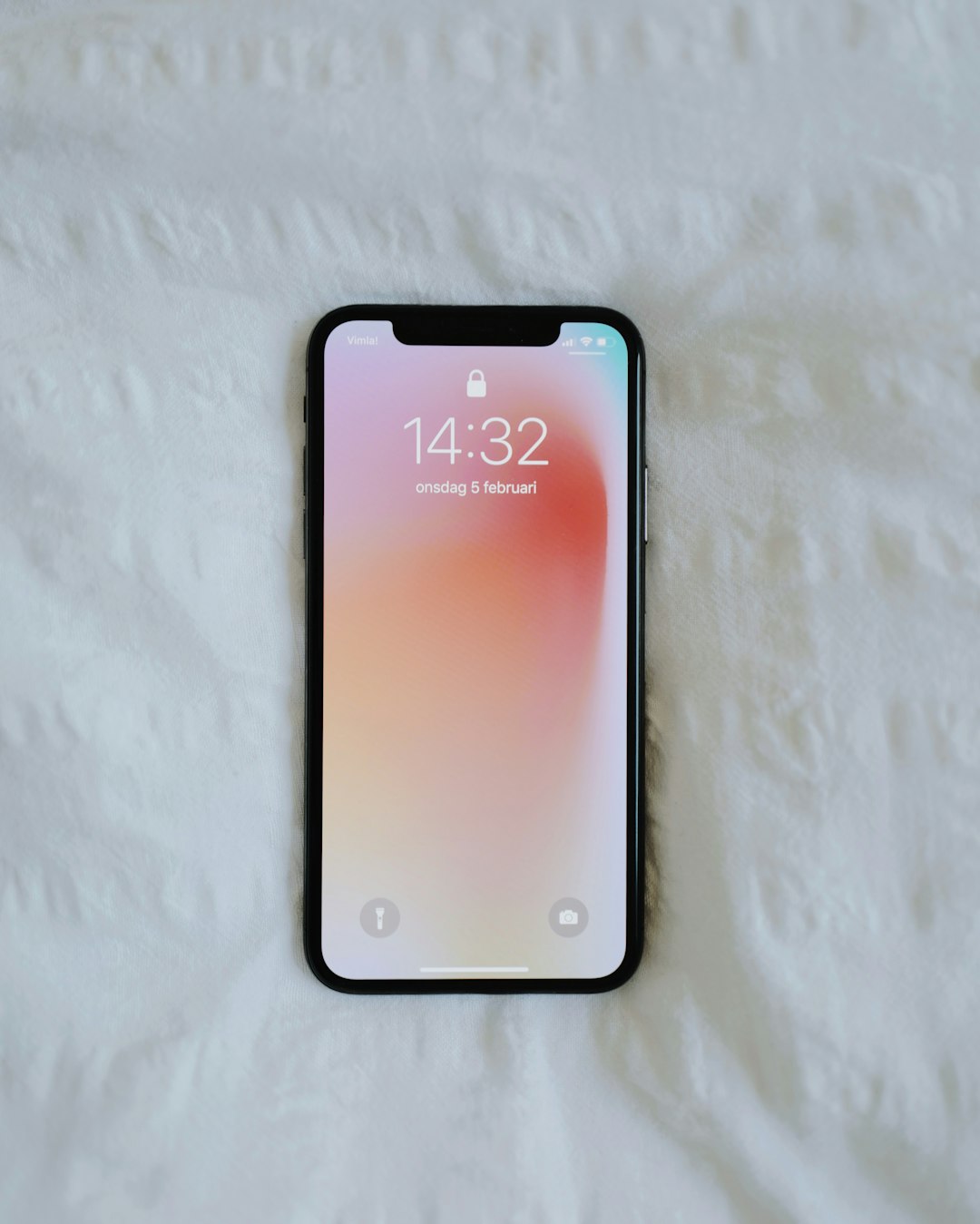
If you're receiving unwanted text messages from unknown senders in Wisconsin, it's likely smishing—a form of online scamming that targets mobile phone users. To identify spam texts, look out for unfamiliar numbers, bulk messaging, and urgent requests for personal information. These messages often contain links or ask you to reply with a specific code or action.
To report these pesky messages, Wisconsin residents have options. You can start by blocking the sender through your phone settings. Additionally, forward the spam text to 7726 (SPAM), which is a free service that enables you to report unsolicited texts. Documenting these incidents is also helpful; keep a log of suspicious messages, including dates, times, and content. Contacting a lawyer for spam texts in Wisconsin can be beneficial if the messages escalate or involve identity theft. They can guide you through legal options and help ensure your rights are protected against such deceptive practices.
Hiring a Lawyer: Fighting Back Against Smishing in WI

In Wisconsin, consumers have rights against smishing (spamming via text message). If you've received unsolicited text messages promoting goods or services in the state, there are legal avenues to explore. One effective step is to consult with a lawyer specialized in consumer protection and spam texts. They can guide you on how to file a complaint with the Wisconsin Department of Agriculture, Trade, and Consumer Protection (DATCP), which actively enforces laws against deceptive marketing practices.
A lawyer for spam texts in Wisconsin can help navigate the legal process, ensuring your rights are protected. They can assist in gathering evidence, negotiating settlements, or even pursuing legal action against the offenders. By taking these steps, consumers can not only stop unwanted text messages but also send a clear message that smishing will not be tolerated in the state.