
Wisconsin's strict consumer protection laws, driven by the TCPA, curb unsolicited spam texts. Businesses must obtain explicit consent for marketing messages and provide opt-out options. Individuals can combat spam by registering on the National Do Not Call Registry, using carrier tools to block spam, and adjusting privacy settings. Consulting a spam texts Attorney Wisconsin is crucial for legal guidance, analysis of message content, representation in court, and negotiation with spammers to protect rights.
Spam texts are a pervasive and annoying problem, particularly with the evolution of mobile technology. In Wisconsin, as across the nation, consumers often receive unwanted text messages promoting products or services, posing security risks, and cluttering inboxes. As a legal resident of Wisconsin, you possess rights and protections against these aggressive marketing tactics. This article serves as a comprehensive guide for Wisconsin residents, offering practical steps and legal insights to block spam texts effectively, empowering you to take control of your communication channels. Our focus is on providing a clear, concise, and authoritative approach, backed by the expertise of local attorneys specializing in consumer protection law.
Understanding Spam Text Laws in Wisconsin

In Wisconsin, spam texts are regulated under state laws designed to protect consumers from unwanted and deceptive messaging. The key piece of legislation is the Telephone Consumer Protection Act (TCPA), which offers robust protections for individuals against automated calls and text messages. Understanding these laws is crucial for both consumers and businesses to ensure compliance and avoid legal repercussions.
Under Wisconsin law, a "spam text" is broadly defined as any unsolicited text message sent using an automatic dialing system or pre-recorded message. This includes marketing texts from companies you've never done business with, as well as messages promoting goods, services, or initiatives. The TCPA prohibits such spam texts unless the sender has obtained prior explicit consent from the recipient. It's important to note that even if you have consented to receive text messages from a particular company in the past, you can revoke this permission at any time, making subsequent unsolicited texts illegal.
A notable example of these laws in action involves a 2018 case where a Wisconsin resident successfully sued a company for sending spam texts promoting a legal service. The resident had not requested or consented to receive these messages, yet they continued to arrive despite multiple requests to stop them. This case underscores the severity with which Wisconsin takes violations of spam text laws. To avoid such pitfalls, businesses should always obtain explicit consent from consumers before sending marketing text messages, and provide clear opt-out mechanisms in every message. Regularly reviewing and updating privacy policies to remain compliant is also essential for businesses operating within Wisconsin's jurisdiction.
Legal Ways to Block Unwanted Texts
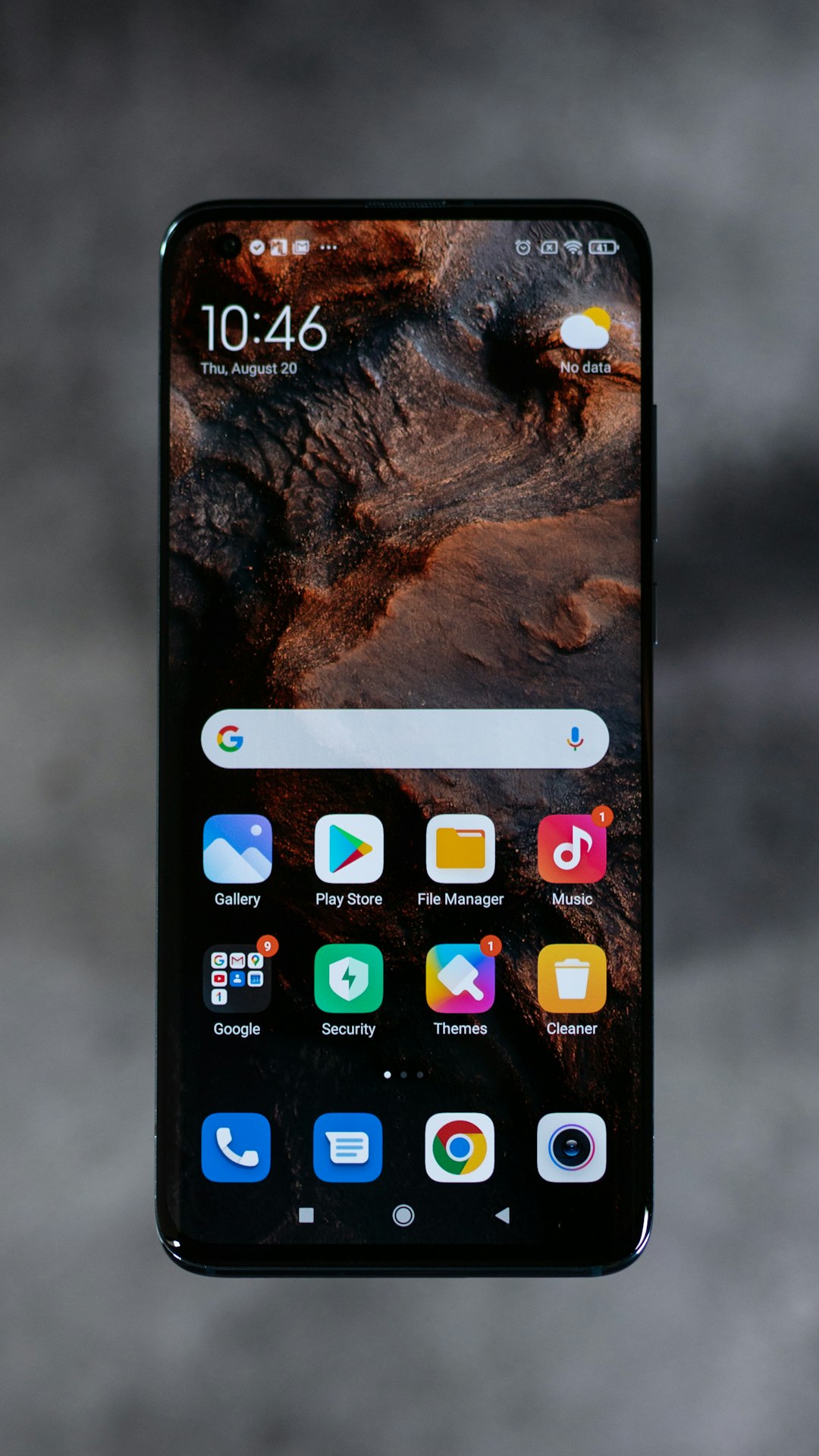
In Wisconsin, as across the nation, spam texts have become an increasingly prevalent nuisance for mobile users. While it may seem like a simple matter of ignoring or deleting these unsolicited messages, there are legal dimensions to consider when dealing with spam texts. A spam text, defined as unsolicited marketing material sent via SMS, can violate consumer protection laws and privacy rights. If you're overwhelmed by unwanted text messages from various sources, know that there are legal avenues available to combat this growing problem.
One of the primary ways to block spam texts legally in Wisconsin is through the use of state and federal consumer protection laws. The Telephone Consumer Protection Act (TCPA) provides consumers with powerful tools to stop unwanted text messages. Under the TCPA, businesses must obtain explicit consent from recipients before sending automated text messages for marketing purposes. If you've received spam texts without giving permission, you can file a complaint with the Federal Trade Commission (FTC). Additionally, many states, including Wisconsin, have their own consumer protection laws that may offer further protections and remedies against spam texts. Consulting with a spam texts Attorney Wisconsin specializing in consumer law can help navigate these legal options and determine the best course of action.
Another effective strategy is to register your number on the National Do Not Call Registry. While this primarily applies to telephone calls, many companies respect the registry and refrain from sending messages to registered numbers. You can easily sign up online for free through the FTC's website. Furthermore, several mobile carriers offer built-in tools and features to block spam texts. These tools learn from your interactions and automatically filter out unwanted messages. However, it's essential to review your carrier's policies and ensure they align with your expectations for managing spam texts effectively.
To protect yourself proactively, be cautious about sharing your phone number publicly or with unknown entities. Review privacy settings on social media platforms and online accounts, limiting personal information exposure. Regularly monitor your phone's message logs for unfamiliar senders and take swift action to block their numbers. By combining legal knowledge, technological tools, and diligent personal practices, you can substantially reduce the deluge of spam texts and reclaim control over your mobile communication experience in Wisconsin.
Seeking Help from a Spam Attorney Wisconsin

Blocking spam texts legally in Wisconsin involves understanding your rights and seeking expert guidance from a spam attorney Wisconsin. With the sheer volume of unsolicited messages, many individuals feel powerless against persistent spammers. However, federal and state laws exist to protect consumers from abusive messaging practices. A spam attorney Wisconsin is uniquely equipped to navigate these legal frameworks, providing clients with tailored strategies to mitigate and stop spam texts effectively.
One of the primary tools at a spam attorney's disposal is the Telephone Consumer Protection Act (TCPA). This federal legislation prohibits telemarketers from making automated or prerecorded calls to individuals without prior explicit consent. Furthermore, it mandates that businesses obtain written permission before sending text messages for marketing purposes. A qualified spam attorney Wisconsin can help you understand your rights under the TCPA and guide you through the process of filing a complaint against persistent spammers. In 2022, the Federal Communications Commission (FCC) received over 150,000 complaints regarding spam texts, highlighting the ongoing challenge of combating these illegal practices.
Seeking legal assistance from a spam attorney Wisconsin offers several practical advantages. These experts can analyze the content and source of the spam messages to determine if they violate existing laws. They can also help you document your efforts to stop the unwanted communications, which is crucial for any potential legal action. Moreover, a spam attorney can represent you in court or negotiate with spammers on your behalf, ensuring that your rights are fully protected. By engaging the services of a qualified spam attorney Wisconsin, individuals can regain control over their communication channels and enjoy greater peace of mind.