Wisconsin law prohibits unsolicited bulk text messages (spam texts) with commercial intent. Consumers can combat spam by blocking numbers, using filtering apps, reporting to Wisconsin DOJ or FTC, and documenting evidence for legal action against spammers via a spam texts Attorney Wisconsin. Reporting involves identifying and blocking promotional texts, contacting service providers, involving law enforcement for serious incidents, and maintaining detailed records for potential legal complaints. Legal avenues include filing complaints with state agencies and pursuing civil litigation for harassment or damages to deter spammers and compensate victims.
In the digital age, spam texts have become a pervasive and frustrating issue for residents across Wisconsin. These unsolicited messages, often containing misleading or malicious content, disrupt daily life and can lead to significant privacy concerns. As technology evolves, so do the tactics of spammers, making effective reporting mechanisms crucial. This article delves into the procedures for reporting spam texts in Wisconsin, empowering individuals with the knowledge to protect themselves and their communities from these unwanted intrusions. By understanding the legal framework and following established protocols, residents can contribute to a safer digital environment, thanks to the guidance of experienced Wisconsin attorneys specializing in this domain.
Understanding Spam Texts in Wisconsin: Legal Definition & Examples

In Wisconsin, understanding spam texts is paramount for consumers and businesses alike, given the potential legal implications and consumer protection measures. Spam texts, also known as unsolicited text messages, are defined under Wisconsin law as messages sent in bulk to individuals who have not granted explicit permission. This includes promotional content, advertisements, or any message with commercial intent from senders using automated means. The state has implemented stringent regulations to protect residents from these nuisance messages, with penalties for violators.
A spam text Attorney Wisconsin can confirm that while some messages might seem benign, they can fall under illegal categories. For instance, a text claiming to offer a free gift card but requiring an immediate response could be a scam designed to harvest personal information. Similarly, messages promoting questionable investment schemes or non-existent products should raise red flags. Recent data from the Federal Trade Commission (FTC) indicates a surge in spam texts across the US, with Wisconsin not being immune. This trend underscores the growing sophistication of spammers who adapt their tactics to bypass filters and target broader audiences.
Consumers are advised to remain vigilant and take proactive steps. Reviewing message senders, blocking unknown numbers, and using text filtering apps can offer immediate relief. Moreover, reporting spam texts to the Wisconsin Department of Justice or the FTC is crucial in combating this growing issue. These reports help track patterns and identify repeat offenders. By combining consumer awareness and official reporting, Wisconsin residents can effectively navigate and minimize their exposure to these potentially harmful messages.
Your Rights: What to Do When You Receive Spam Texts in WI
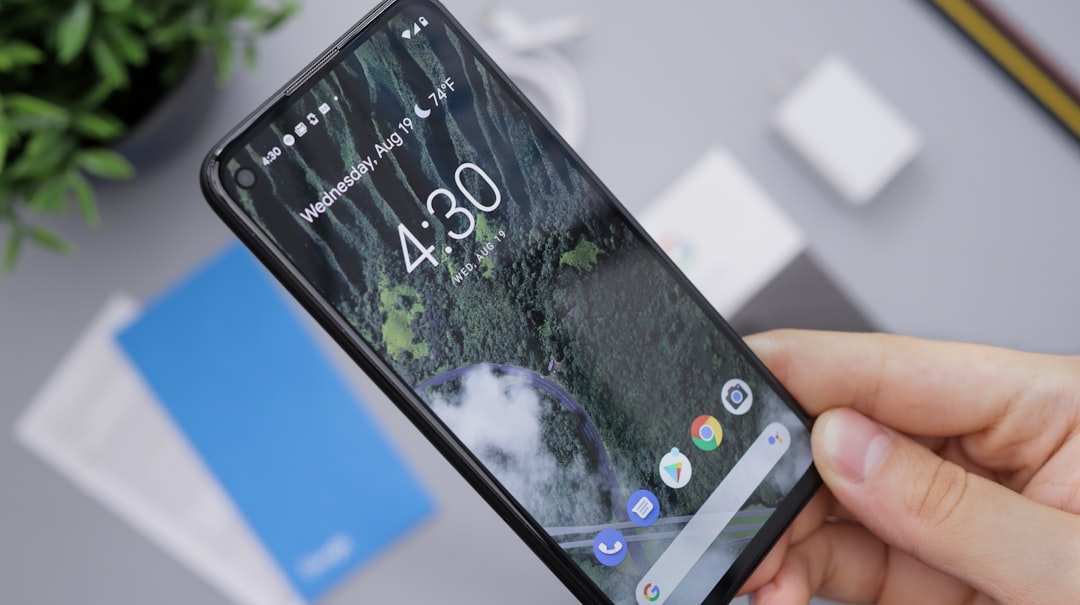
If you’re receiving unwanted spam texts in Wisconsin, you have rights and options available to protect yourself. The Federal Communications Commission (FCC) regulates telemarketing practices, including text messaging, under the Telephone Consumer Protection Act (TCPA). This means that businesses or individuals sending mass spam texts can be held accountable for their actions. In Wisconsin, a state law, the Wisconsin Telemarketing Law, further strengthens consumer protections against unwanted marketing calls and texts.
When you receive a spam text in WI, document the message, including the sender’s phone number and any personal information shared. This evidence can be invaluable if you decide to take formal action. You have several courses of action: file a complaint with the FCC or your state’s attorney general, block the sender’s number, and consult with a spam texts Attorney Wisconsin for legal counsel. Filing a complaint not only helps enforce regulations but also provides insights into recurring spammers targeting residents. According to the FCC, millions of complaints are received annually, demonstrating the widespread issue of spam texts.
In some cases, spam text senders may be engaging in illegal practices, such as phishing or scamming. Be wary of any text asking for personal information or directing you to click on a link that could compromise your security. A spam texts Attorney Wisconsin can help assess whether a particular message falls into this category and guide you on the best course of action, which may include reporting the sender to law enforcement if there’s evidence of criminal activity. Proactive measures, like blocking numbers and monitoring your phone settings for privacy, are also essential in managing unwanted spam texts.
Documenting the Offense: Saving Evidence for a Spam Text Case

Reporting spam texts is a crucial step in combating unsolicited communication, and Wisconsin residents have specific procedures at their disposal. When dealing with spam texts, documenting the offense and saving relevant evidence can significantly aid legal processes. A spam text Attorney Wisconsin can guide individuals on how to collect and preserve data that may be pivotal in resolving such cases.
In the digital age, tracking down the source of spam texts can be challenging, but certain tactics ensure a robust record. For instance, noting the time and date when the spam message was received is essential. Additionally, taking screenshots or saving the text messages as an attachment to a secure email can serve as irrefutable evidence in court. It’s also advisable to retain any metadata associated with the message, such as IP addresses or phone numbers, which could help identify the sender.
Practical considerations are key when documenting these offenses. Keeping a log of spam texts, including unique identifiers and patterns, can assist legal professionals in building a case against spammers. For instance, if multiple residents report similar messages originating from a specific number, it becomes a compelling piece of evidence. Wisconsin’s strict anti-spam laws empower citizens to take action; thus, documenting and presenting concrete evidence is an integral step in holding offenders accountable.
Reporting Spam Texts: Contacting Your Service Provider and Law Enforcement
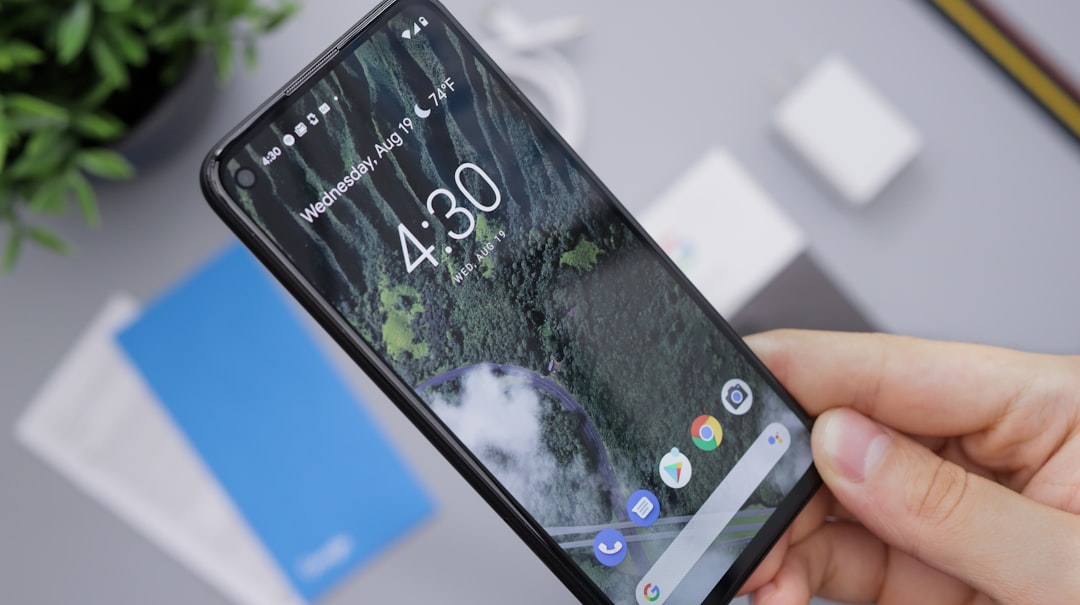
In Wisconsin, reporting spam texts is a multi-step process that involves contacting your service provider and potentially involving law enforcement. It’s crucial to act swiftly as spam texts not only clutter your phone but can also be an indication of larger fraud or identity theft schemes. According to the Federal Trade Commission (FTC), over 4.7 million complaints about spam text messages were reported in 2021, highlighting the widespread nature of this issue.
The first step is to identify whether a message is spam. Look for unsolicited texts containing promotional content, links, or requests for personal information. Once confirmed, contact your wireless service provider immediately. Most major carriers have mechanisms in place to report such incidents, often through dedicated online portals or customer support lines. For instance, Verizon offers customers the ability to block and report spam texts directly from their account settings.
If the spam texts involve threats, explicit content, or are linked to a potential crime, it’s advisable to involve local law enforcement in Wisconsin. A spam texts attorney in Wisconsin can also provide guidance on how to navigate this process effectively. They can help determine if the activity rises to the level of criminal behavior and assist with gathering evidence for potential legal action. Remember, reporting these messages not only helps protect yourself but contributes to broader efforts to combat cybercrime and maintain a safer digital environment.
Legal Recourse: Seeking Relief from a Spam Text Attorney Wisconsin

In Wisconsin, the receipt of unwanted spam texts has become an increasingly prevalent issue, with countless residents facing relentless messaging from unknown or fraudulent sources. While blocking individual numbers offers a temporary solution, a more comprehensive approach involves seeking legal recourse against these persistent spammers. A spam texts attorney Wisconsin can play a pivotal role in navigating this complex landscape, providing victims with the means to secure justice and protect their rights.
Legal avenues for relief include filing complaints with state regulatory bodies and pursuing litigation through the courts. A seasoned spam texts attorney Wisconsin will guide clients through these processes, leveraging their expertise to gather evidence, compile detailed reports, and represent interests during hearings or trials. For instance, a consumer may report a pattern of harassing text messages from a known spammer, leading to an investigation by the Wisconsin Department of Agriculture, Trade and Consumer Protection (DATCP). If violations are confirmed, the attorney’s involvement ensures that appropriate penalties are imposed, potentially deterring similar future actions.
Moreover, direct legal action against spammers can involve seeking injunctions or monetary damages through civil litigation. A spam texts attorney Wisconsin will analyze the specific circumstances, including the volume and nature of messages, to determine the most effective strategy. This proactive approach not only discourages further spamming activities but also compensates victims for their distress, time, and resources expended in dealing with these nuisance messages. By empowering individuals to take a stand against spammers, Wisconsin residents can reclaim control over their communication channels and enjoy a safer digital environment.